15 Haziran 2026 Pazartesi
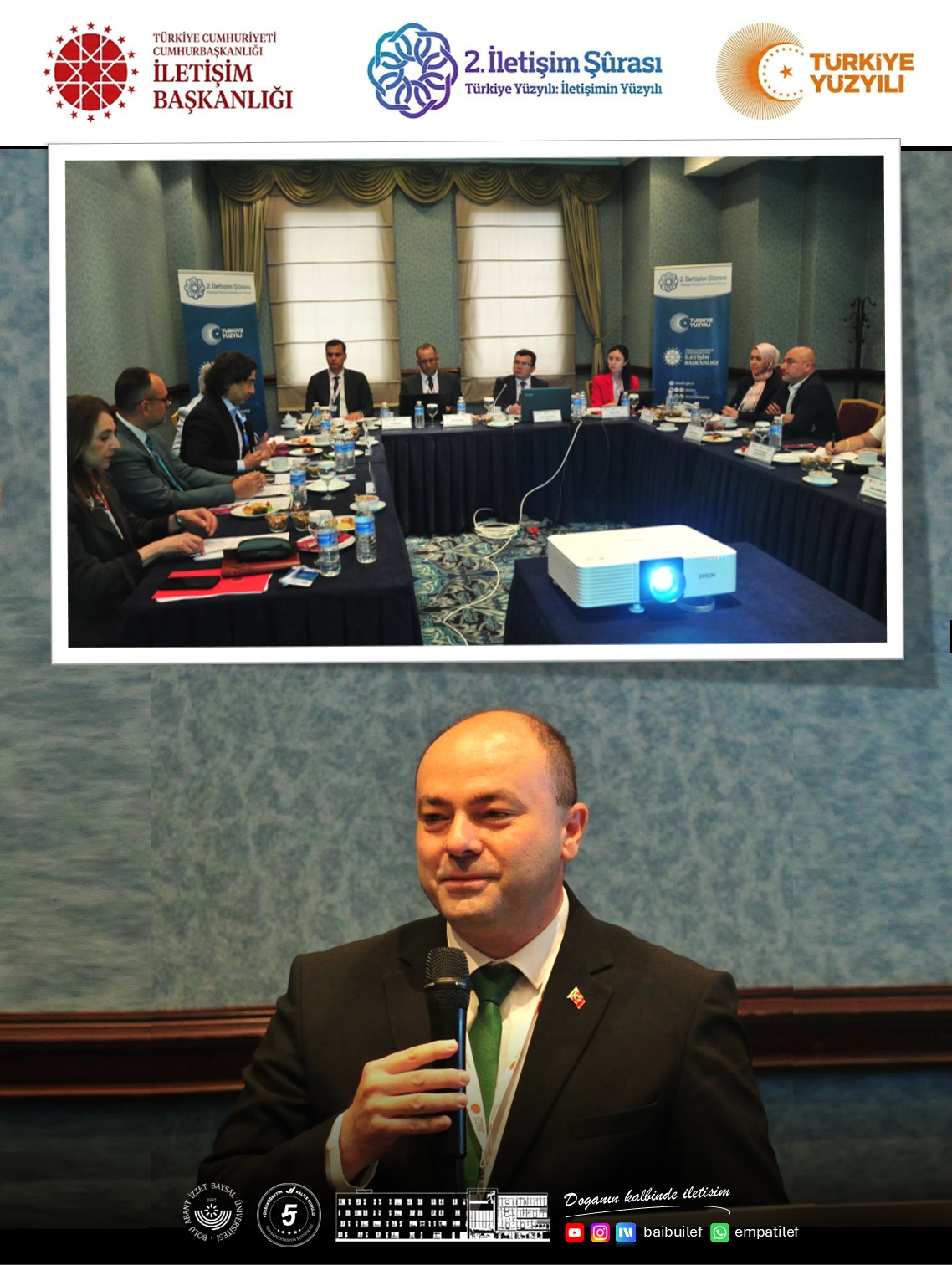
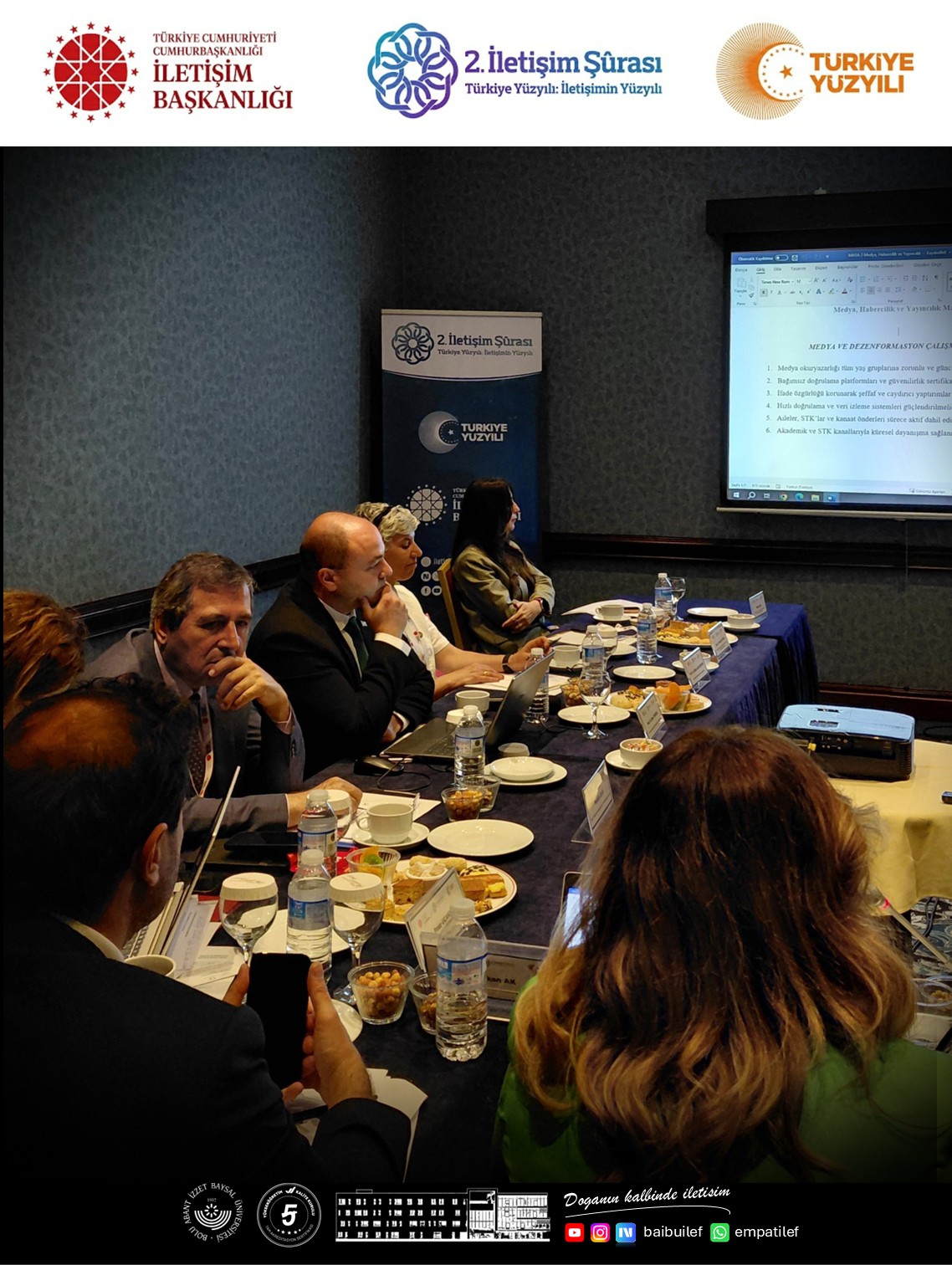
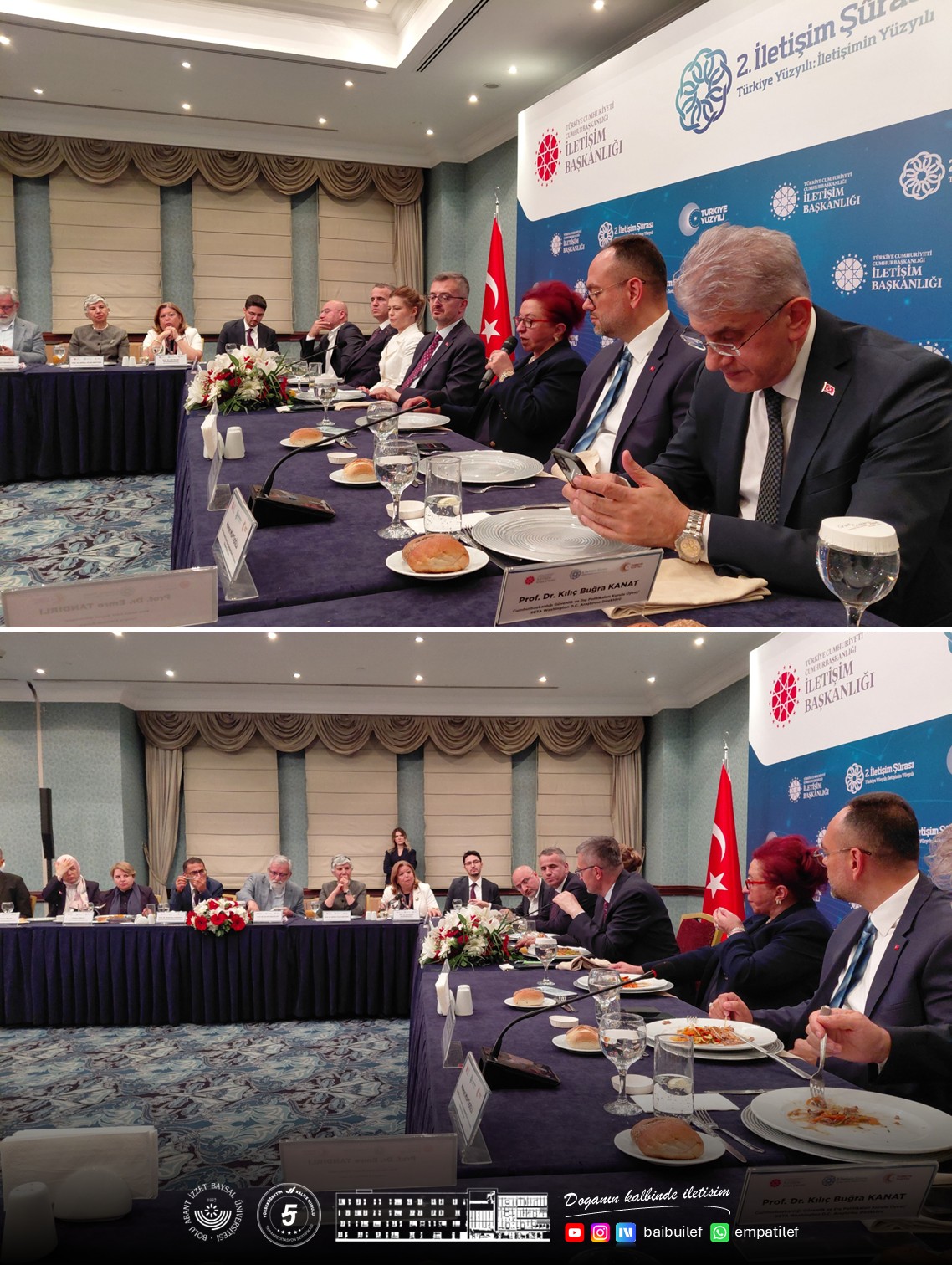
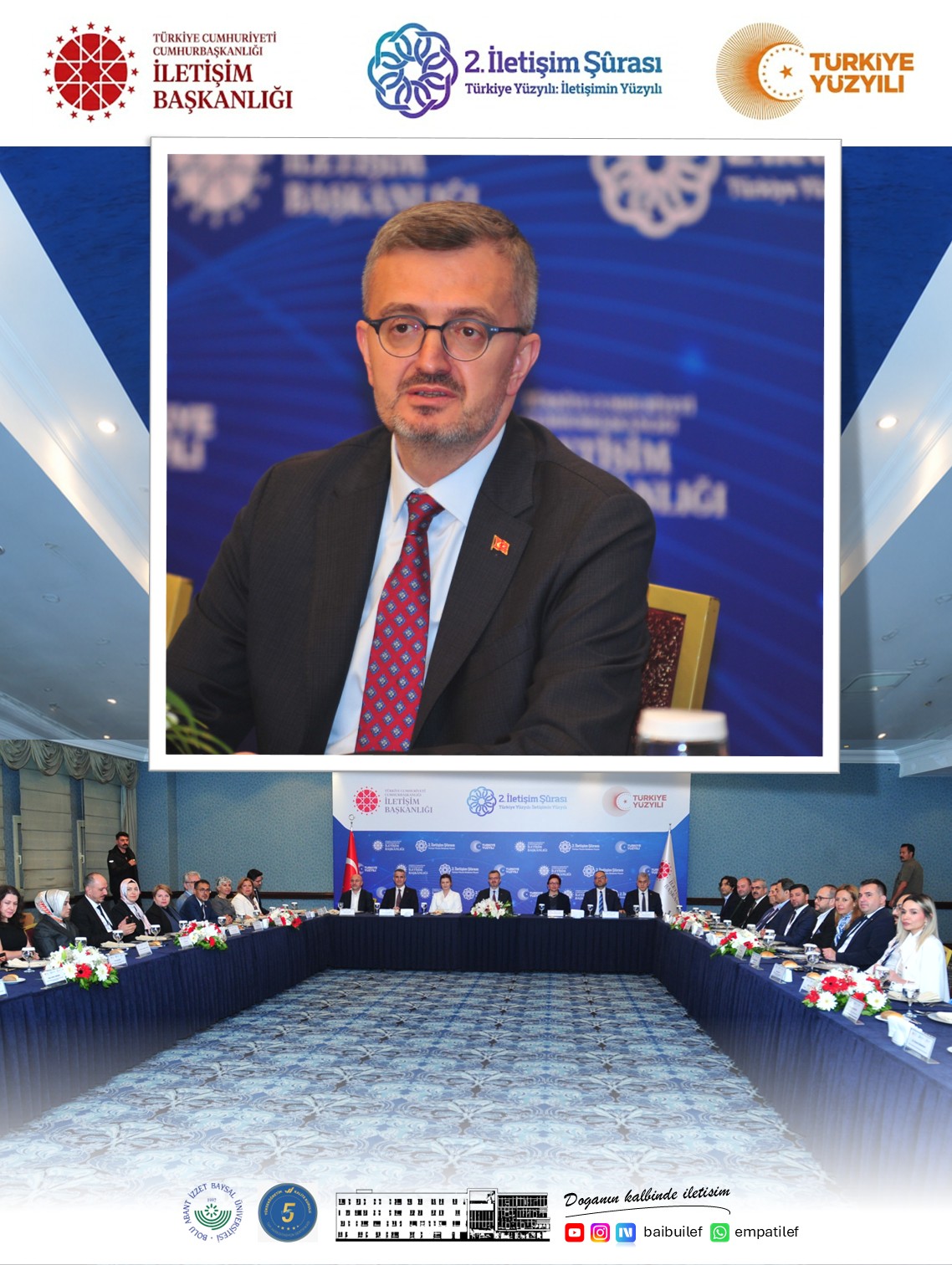
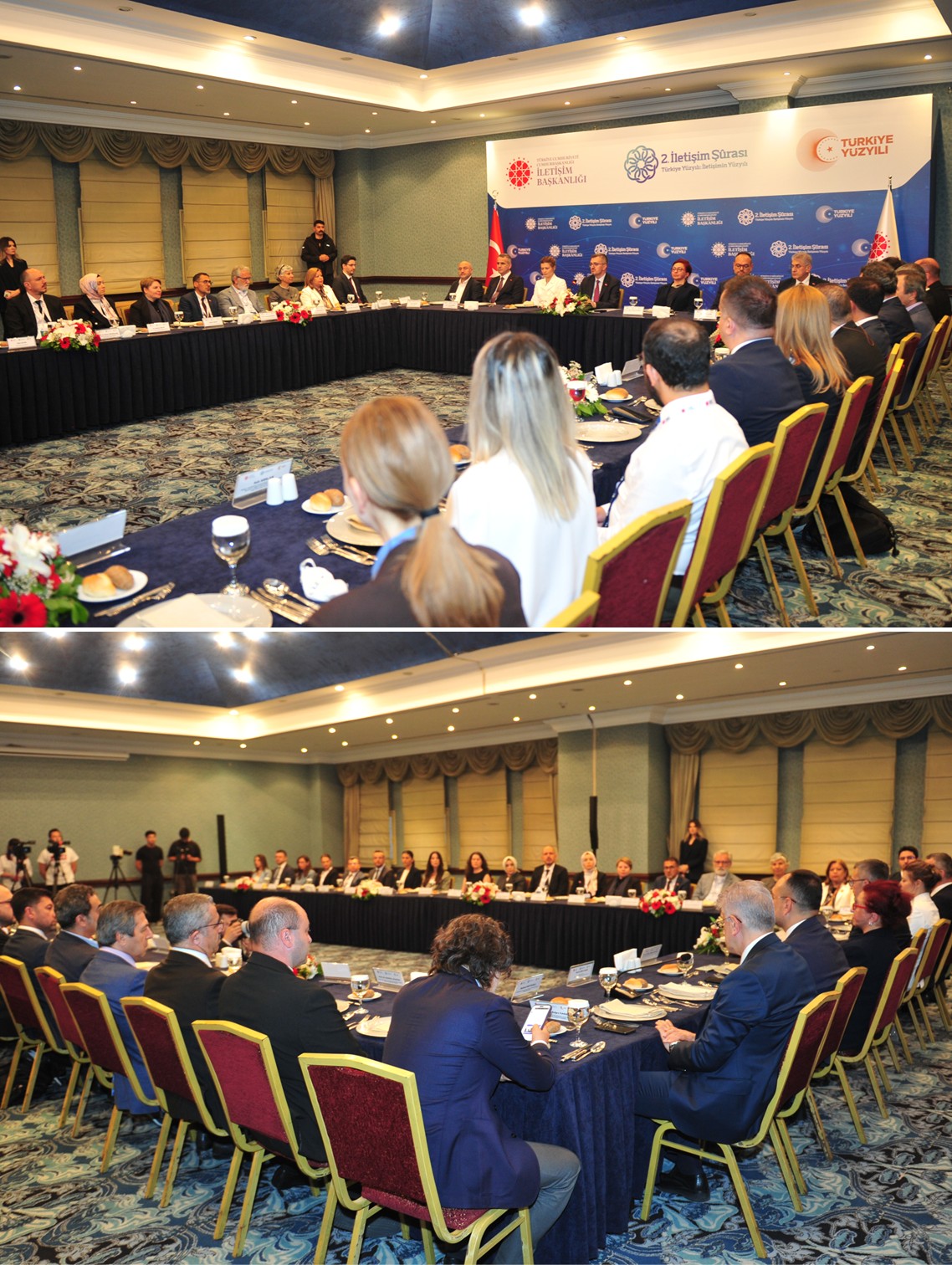
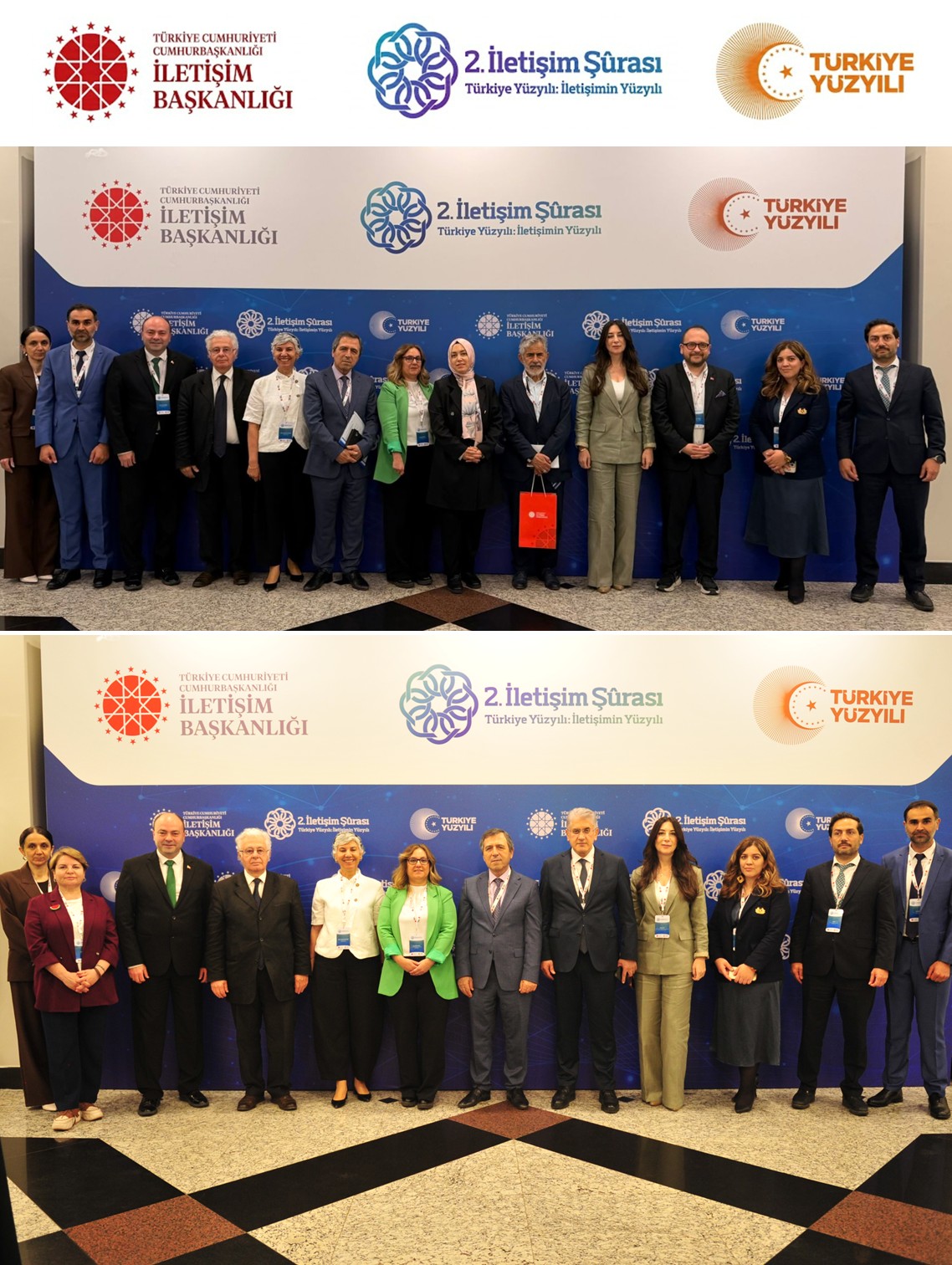
Within the framework of the preparatory work for the Final Declaration of the 2nd Communications Council organized by the Presidency of the Republic of Turkey's Communications Directorate, important assessments were made regarding the future of Türkiye's media ecosystem at the "Media, Journalism and Broadcasting" table. The discussions, attended by Prof. Dr. Emre Tandırlı, Dean of the Faculty of Communication at Bolu Abant İzzet Baysal University, comprehensively addressed current problems in media, journalism, and broadcasting, as well as proposed solutions for the future.
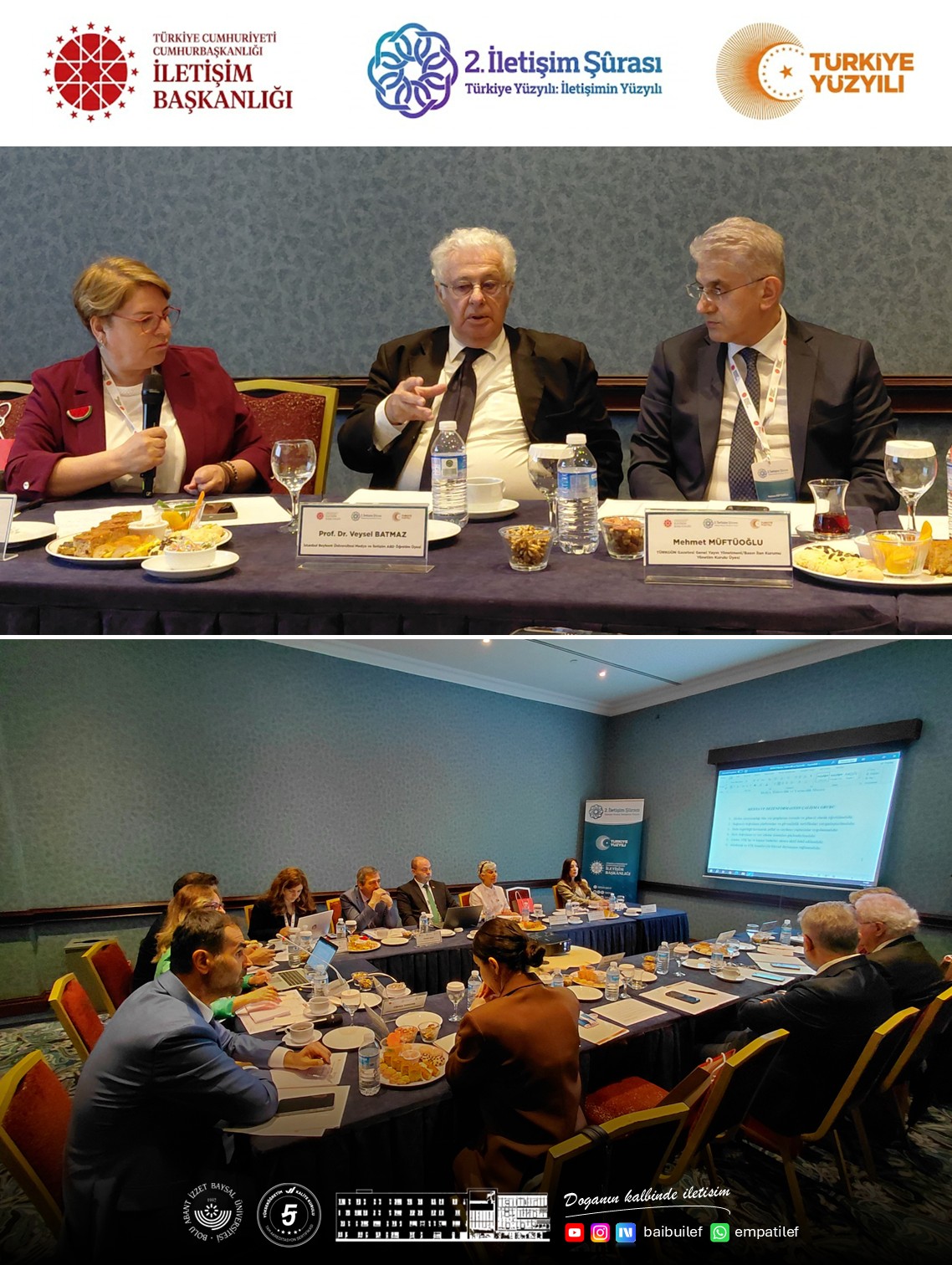
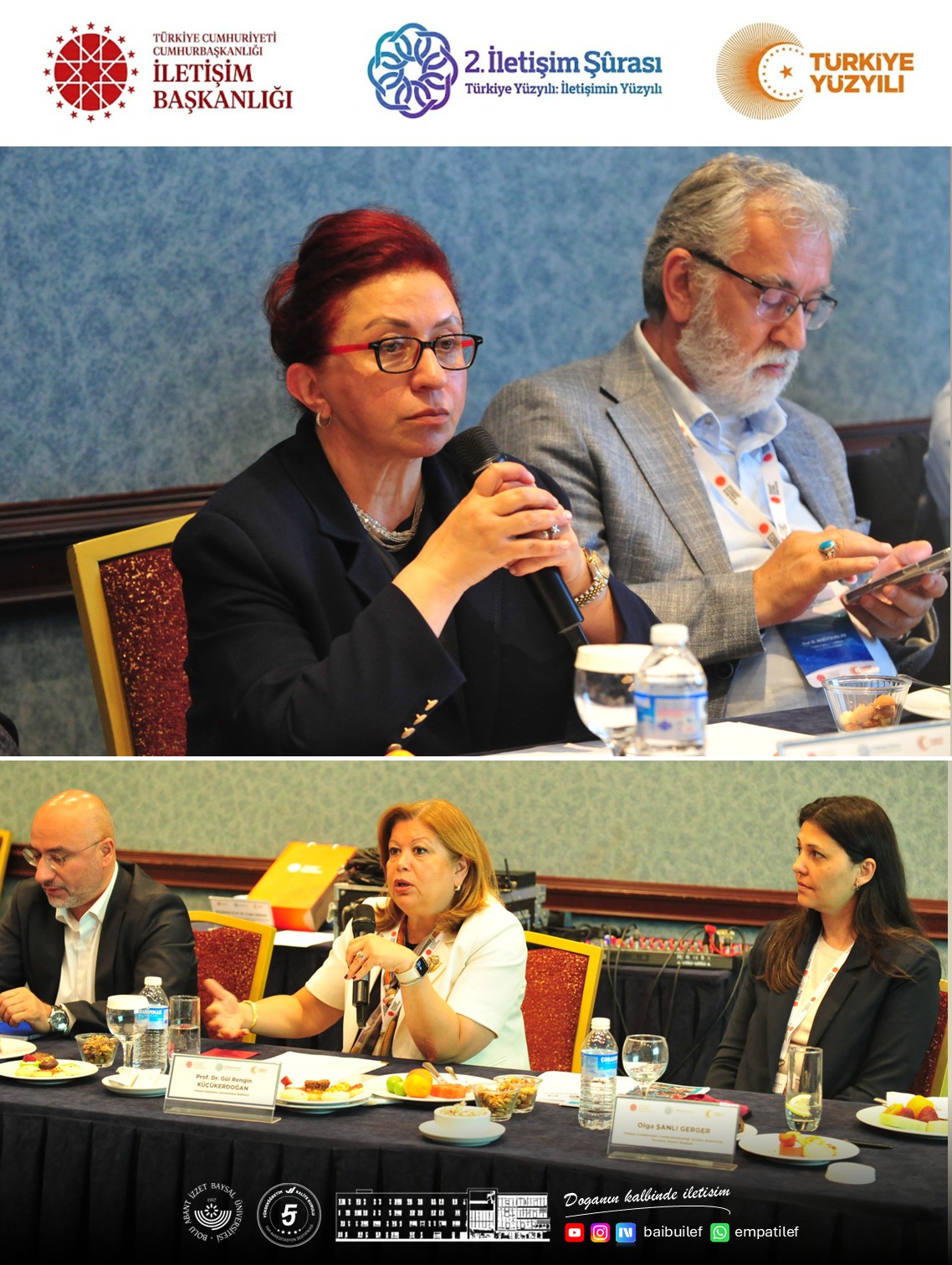
The meetings, moderated by Şimel Doğan Dağlı, a representative of the Communications Directorate, included Ali Küçük, Çiğdem Erkan Ak, and Dr. Pınar Uçankuş as rapporteurs. Participants included Mustafa Çelik, General Editor of Kanal 7; Prof. Dr. Emre Tandırlı, Dean of the Faculty of Communication at BAİBÜ; Prof. Dr. Zülfiye Acar Şentürk, Dean of the Faculty of Communication at Yozgat Bozok University; Journalist-Writer Fadime Özkan; and Prof. Dr. from Istanbul Beykent University. Veysel Batmaz, Mehmet Müftüoğlu, Editor-in-Chief of Türkgün Newspaper, and Ekrem Kızıltaş, Editor-in-Chief of Takvim Newspaper, participated.
The work was carried out under four separate headings: Media and Disinformation Working Group, News Production and Citizen Journalism Working Group, Problems and Solutions for Local Media Working Group, and New Approaches in Radio and Television Broadcasting Working Group. These sessions evaluated the structural transformation in the media field in all its dimensions.
Disinformation Discussions Attracted Attention
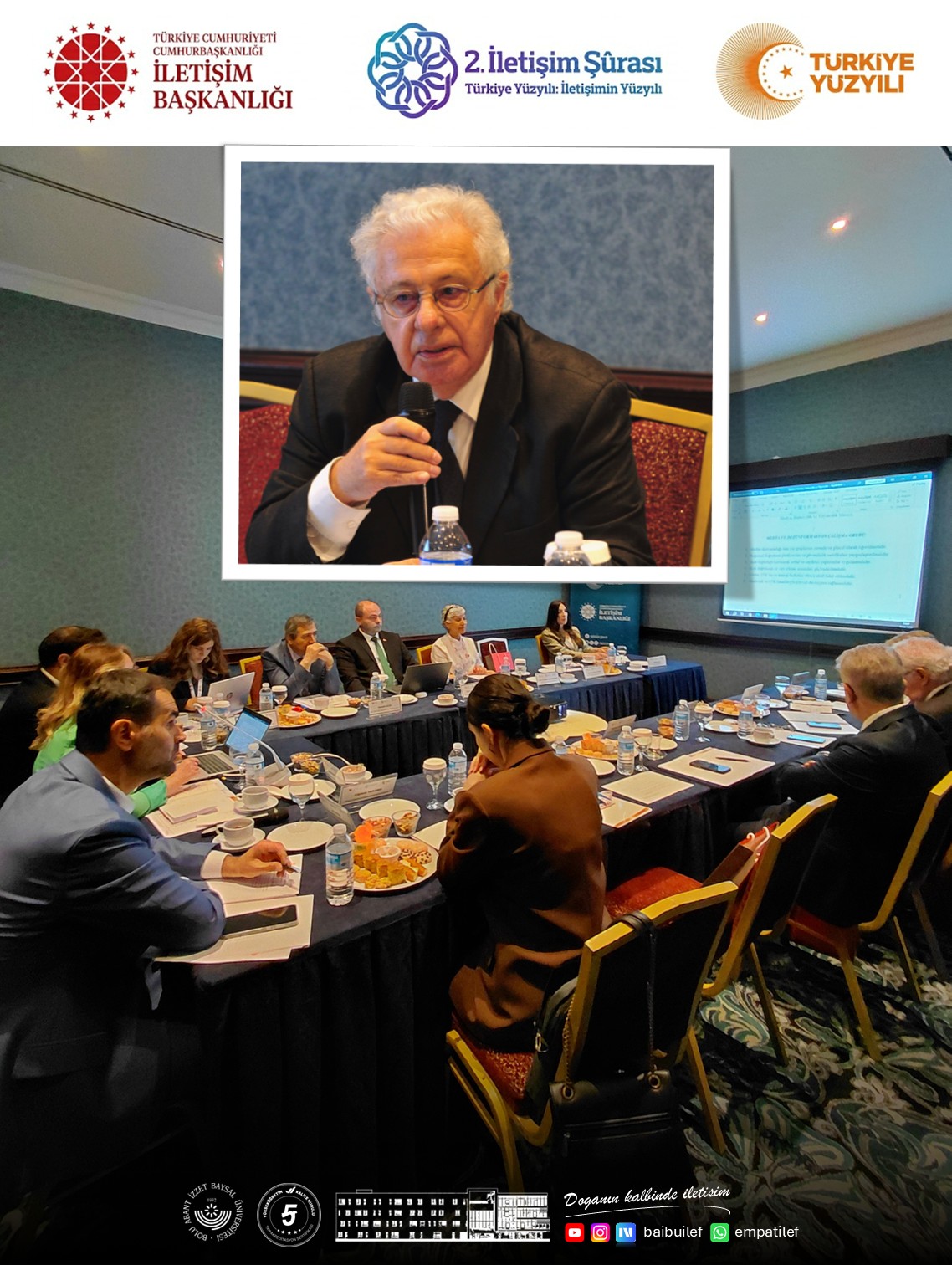
One of the most lively parts of the meeting took place in the Media and Disinformation Working Group session. Prof. Dr. Veysel Batmaz, known for his work in the field of media sociology for many years, emphasized that media systems should be evaluated not only in terms of technical verification processes, but also in the context of power relations, discourse production, and social structure.
Batmaz's approach, along with the views of journalist-writer Fadime Özkan and Mehmet Müftüoğlu, Editor-in-Chief of Türkgün Newspaper, became one of the important discussion topics of the session. Different perspectives were presented on how to develop mechanisms to counter misinformation, manipulation, and perception management operations that spread rapidly, especially in digital media.
Mehmet Müftüoğlu stated that the speed of misinformation spread in the digital age poses serious risks for societies, emphasizing the importance of strengthening verification mechanisms and ensuring public access to reliable information. Müftüoğlu stressed the need to develop control mechanisms that protect freedom of expression while also effectively combating information pollution.
Prof. Dr. Emre Tandırlı Emphasizes a Domestic and National Digital Ecosystem
Prof. Dr. Emre Tandırlı, Dean of the Faculty of Communication at BAİBÜ, emphasized in the sessions that Türkiye needs to develop a stronger understanding of digital sovereignty in the field of communication and media. Tandırlı stated that developing domestic and national artificial intelligence systems and domestic social media platforms is a strategic need, highlighting the importance of reducing dependence on foreign sources in digital communication infrastructure.
Tandırlı also stated that it is important for the Presidency of Communications to work on balanced regulations that protect the free nature of social media while also considering social responsibility in the new applications it will develop within the scope of combating disinformation.
Stating that academia and the sector should act together, Tandırlı emphasized that the creation of a multi-stakeholder verification and quality assurance mechanism, especially involving communication faculties, media organizations, and professional associations, is critically important for the future of journalism.
Draft Journalism Profession Law Brought to the Agenda
During the meetings, Prof. Dr. Emre Tandırlı, in his capacity as a member of the Bolu Journalists Association, also conveyed the views and suggestions regarding the Draft Journalism Profession Law prepared under the leadership of the President of the Bolu Journalists Association, Mert Minisker, to the working group.
The draft was evaluated as an important study, particularly in terms of strengthening the institutional structure of the journalism profession, raising professional standards, and protecting the rights of journalists in the digital transformation process, and it was stated that the suggestions were included among the notes for the final declaration.
Citizen Journalism and Artificial Intelligence Discussed
The News Production and Citizen Journalism Working Group evaluated the transformation of contemporary journalism in terms of trust, speed, and accuracy. Participants stated that traditional media has significant advantages in terms of verification and editorial processes, while digital platforms stand out with their speed and accessibility.
Within the framework of the preparatory work for the Final Declaration of the 2nd Communications Council organized by the Presidency of the Republic of Turkey's Communications Directorate, important assessments were made regarding the future of Türkiye's media ecosystem at the "Media, Journalism and Broadcasting" table. The discussions, attended by Prof. Dr. Emre Tandırlı, Dean of the Faculty of Communication at Bolu Abant İzzet Baysal University, comprehensively addressed current problems in media, journalism, and broadcasting, as well as proposed solutions for the future.
The meetings, moderated by Şimel Doğan Dağlı, a representative of the Communications Directorate, included Ali Küçük, Çiğdem Erkan Ak, and Dr. Pınar Uçankuş as rapporteurs. Participants included Mustafa Çelik, General Editor of Kanal 7; Prof. Dr. Emre Tandırlı, Dean of the Faculty of Communication at BAİBÜ; Prof. Dr. Zülfiye Acar Şentürk, Dean of the Faculty of Communication at Yozgat Bozok University; Journalist-Writer Fadime Özkan; and Prof. Dr. from Istanbul Beykent University. Veysel Batmaz, Mehmet Müftüoğlu, Editor-in-Chief of Türkgün Newspaper, and Ekrem Kızıltaş, Editor-in-Chief of Takvim Newspaper, participated.
The work was carried out under four separate headings: Media and Disinformation Working Group, News Production and Citizen Journalism Working Group, Problems and Solutions for Local Media Working Group, and New Approaches in Radio and Television Broadcasting Working Group. These sessions evaluated the structural transformation in the media field in all its dimensions.
Disinformation Discussions Attracted Attention
One of the most lively parts of the meeting took place in the Media and Disinformation Working Group session. Prof. Dr. Veysel Batmaz, known for his work in the field of media sociology for many years, emphasized that media systems should be evaluated not only in terms of technical verification processes, but also in the context of power relations, discourse production, and social structure.
Batmaz's approach, along with the views of journalist-writer Fadime Özkan and Mehmet Müftüoğlu, Editor-in-Chief of Türkgün Newspaper, became one of the important discussion topics of the session. Different perspectives were presented on how to develop mechanisms to counter misinformation, manipulation, and perception management operations that spread rapidly, especially in digital media.
Mehmet Müftüoğlu stated that the speed of misinformation spread in the digital age poses serious risks for societies, emphasizing the importance of strengthening verification mechanisms and ensuring public access to reliable information. Müftüoğlu stressed the need to develop control mechanisms that protect freedom of expression while also effectively combating information pollution.
Prof. Dr. Emre Tandırlı Emphasizes a Domestic and National Digital Ecosystem
Prof. Dr. Emre Tandırlı, Dean of the Faculty of Communication at BAİBÜ, emphasized in the sessions that Türkiye needs to develop a stronger understanding of digital sovereignty in the field of communication and media. Tandırlı stated that developing domestic and national artificial intelligence systems and domestic social media platforms is a strategic need, highlighting the importance of reducing dependence on foreign sources in digital communication infrastructure.
Tandırlı also stated that it is important for the Presidency of Communications to work on balanced regulations that protect the free nature of social media while also considering social responsibility in the new applications it will develop within the scope of combating disinformation.
Stating that academia and the sector should act together, Tandırlı emphasized that the creation of a multi-stakeholder verification and quality assurance mechanism, especially involving communication faculties, media organizations, and professional associations, is critically important for the future of journalism.
Draft Journalism Profession Law Brought to the Agenda
During the meetings, Prof. Dr. Emre Tandırlı, in his capacity as a member of the Bolu Journalists Association, also conveyed the views and suggestions regarding the Draft Journalism Profession Law prepared under the leadership of the President of the Bolu Journalists Association, Mert Minisker, to the working group.
The draft was evaluated as an important study, particularly in terms of strengthening the institutional structure of the journalism profession, raising professional standards, and protecting the rights of journalists in the digital transformation process, and it was stated that the suggestions were included among the notes for the final declaration.
Citizen Journalism and Artificial Intelligence Discussed
The News Production and Citizen Journalism Working Group evaluated the transformation of contemporary journalism in terms of trust, speed, and accuracy. Participants stated that traditional media has significant advantages in terms of verification and editorial processes, while digital platforms stand out with their speed and accessibility.
Tandırlı emphasized that the BAİBÜ Faculty of Communication has become a significant international scientific center in recent years, noting that the BAİBÜİLEF-İG International Artificial Intelligence and Hypermedia Symposiums, which attract considerable interest from abroad, have created a significant academic hub on a regional scale.
Tandırlı stated that approximately 500 scientific papers have been published within the scope of the symposiums to date, covering the most current topics of today, such as media, artificial intelligence, digital transformation, disinformation, media literacy, and new communication technologies. He added that many of the topics discussed in the symposiums have counterparts in national and international academic literature, and that the BAİBÜ Faculty of Communication is ready to share this knowledge with decision-makers.
It was also noted that the Presidential Communications Directorate officials have shown interest in these academic studies and that the prepared scientific publications are considered important resources that can be used in the development of communication policies.